

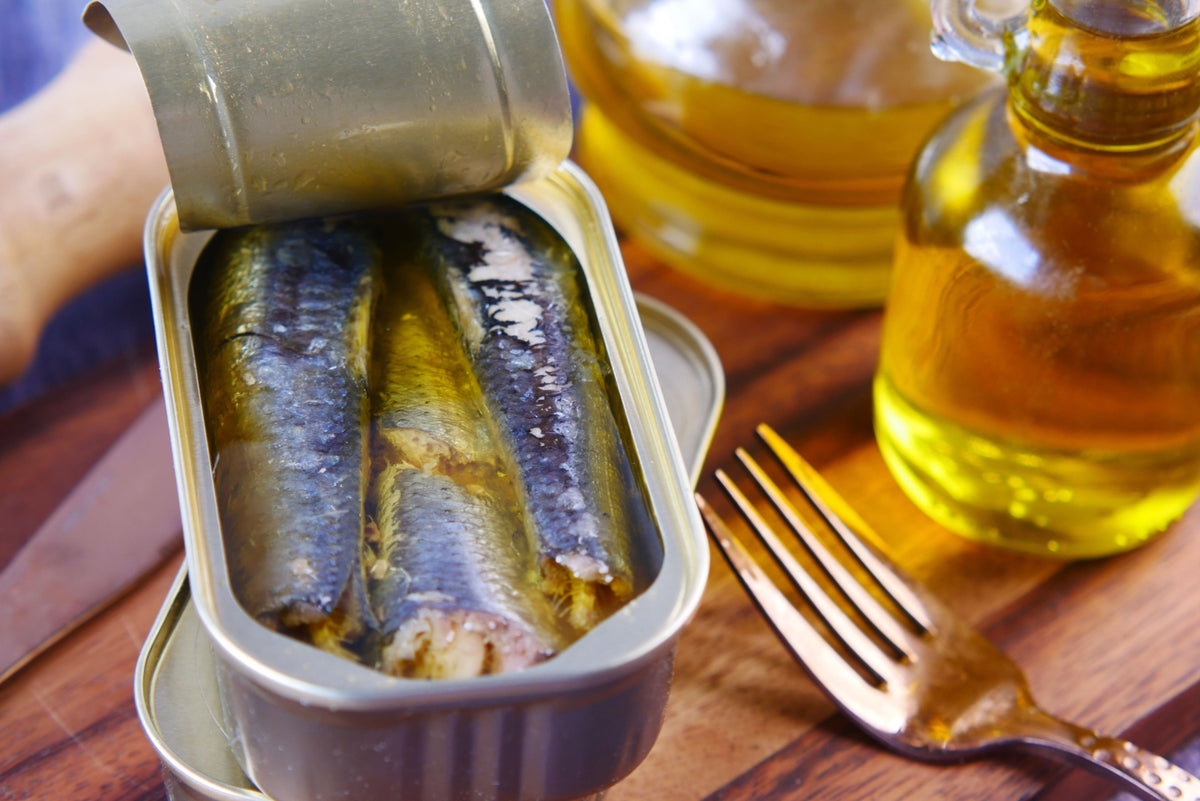
They're cheap, they keep for years in your pantry, and they might be one of the most underrated foods for runners. We're talking about sardines.
They don't have the glamour of a recovery shake, but nutritionally they punch well above their weight.
What's inside a can of sardines
- High-quality protein. A typical 3.75 oz can provides around 20 grams of complete protein, with all the essential amino acids your muscles need to repair after hard sessions.
- Omega-3 fatty acids (EPA and DHA). Sardines are one of the richest sources. Omega-3s are linked to heart health and may help moderate inflammation.
- Vitamin D. Important for bones and muscle function. Many runners run low, especially in winter or when training early and late in the day.
- Calcium. Canned sardines usually include soft, edible bones, which makes them a surprising source of calcium.
- Vitamin B12 and iron. Both help produce red blood cells, which carry oxygen to working muscles.
Why runners should care
Bone health
Stress fractures are one of the most frustrating running injuries. Enough calcium, vitamin D and overall energy all help support bone health. Sardines tick two of those boxes in a single can.
Recovery
Protein after a long run or a hard workout helps your muscles repair and adapt. Sardines on whole-grain toast give you protein and carbohydrates in one simple meal.
Real food over ultra-processed
Bars and shakes have their place, especially on the go. But whole foods like sardines deliver a wide range of nutrients together, with minimal processing.
Low in mercury
Because they're small and low on the food chain, sardines contain much less mercury than large fish such as swordfish. The FDA lists them among its "best choices" for fish.
Easy ways to eat more sardines
- On toast with lemon, black pepper and a drizzle of olive oil.
- Mashed into a salad, like tuna, with Greek yogurt, mustard and herbs.
- Tossed with pasta, garlic, chili flakes and toasted breadcrumbs for a classic post-run carb meal.
- In a grain bowl with rice, avocado, cucumber and a soft-boiled egg.
A few things to keep in mind
- Watch the salt. Some canned sardines are high in sodium. Look for low-sodium options if that matters to you.
- Check the packing. Sardines in olive oil or water are generally better choices than those in heavy sauces.
- Not a fan of the taste? Start with mild boneless, skinless fillets, or try them fresh on the grill.
The bottom line
Sardines won't make you faster overnight. But as part of a balanced diet with enough carbohydrates for training, they're an easy, affordable way to support recovery, bone health and overall performance.
Have you added sardines to your diet yet?